Greek & Hellenistic Silver
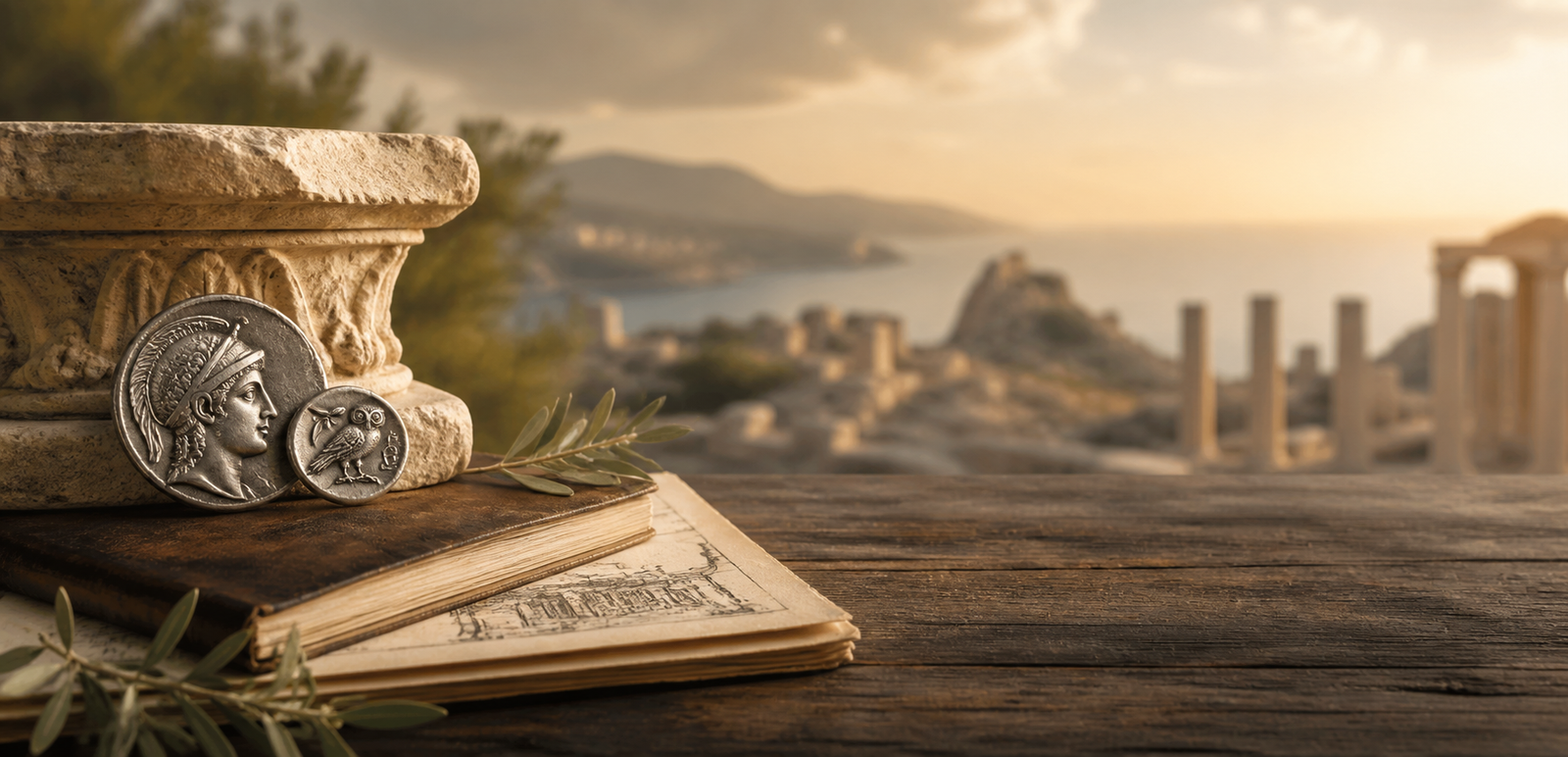
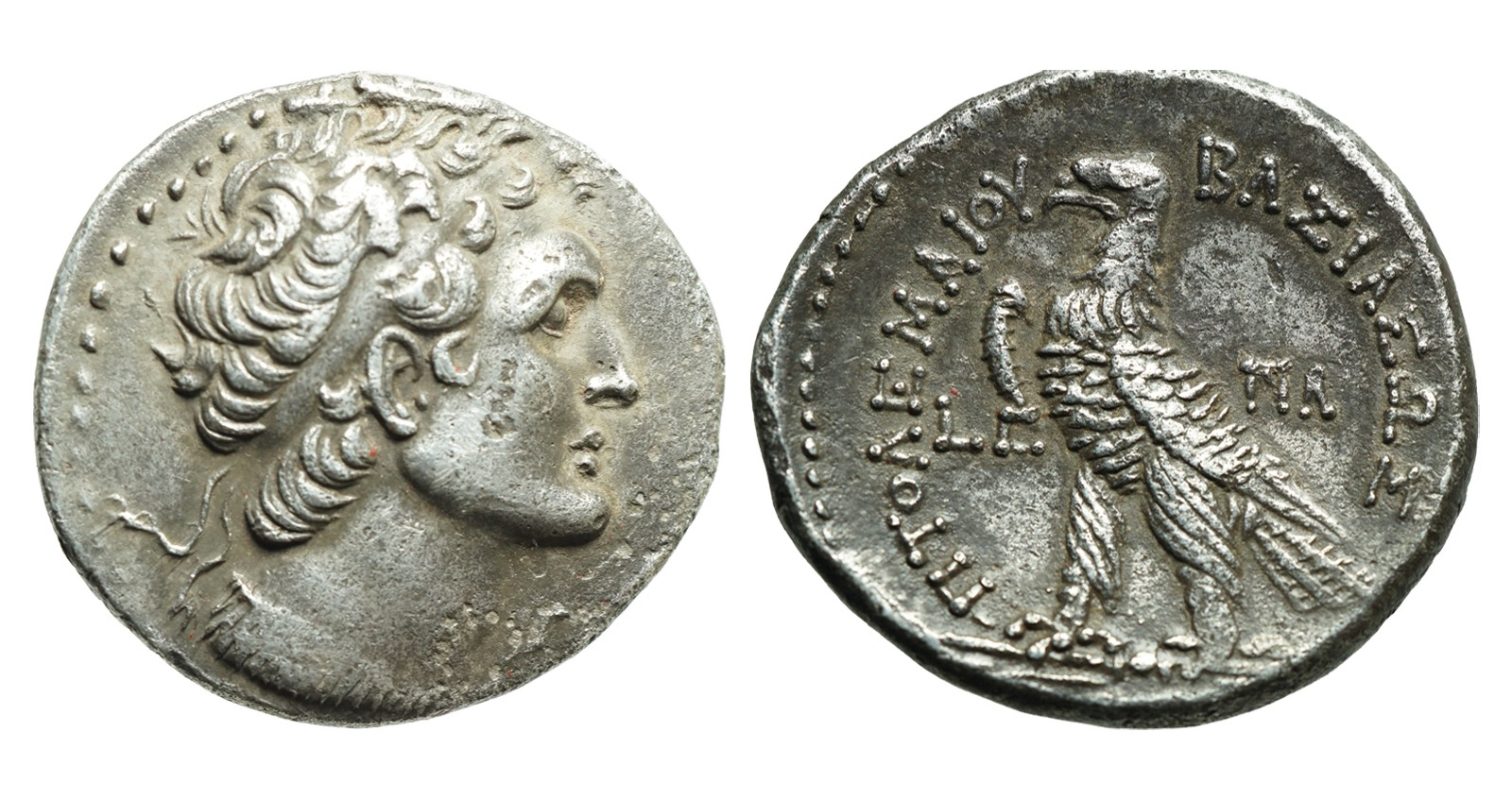
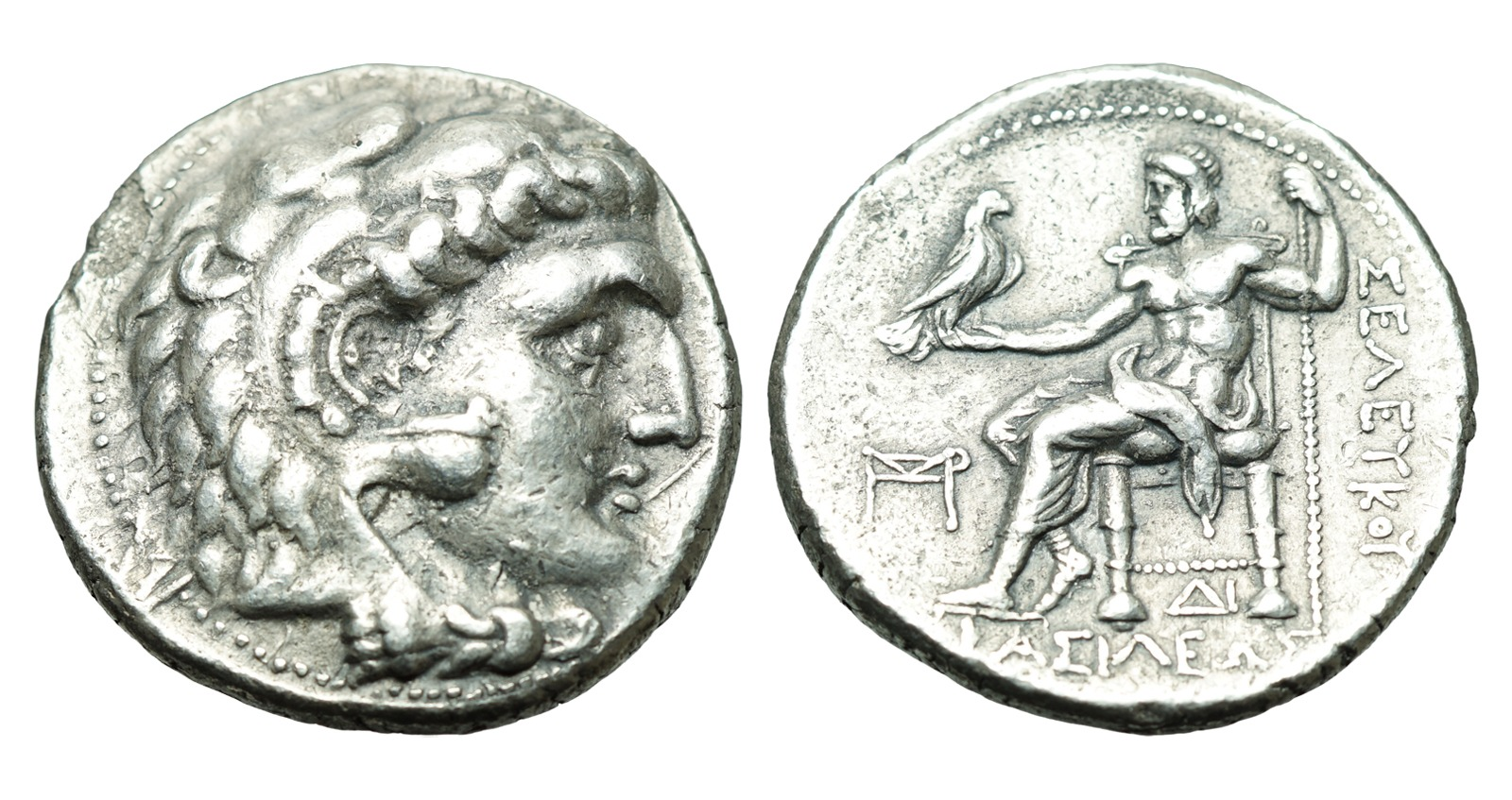
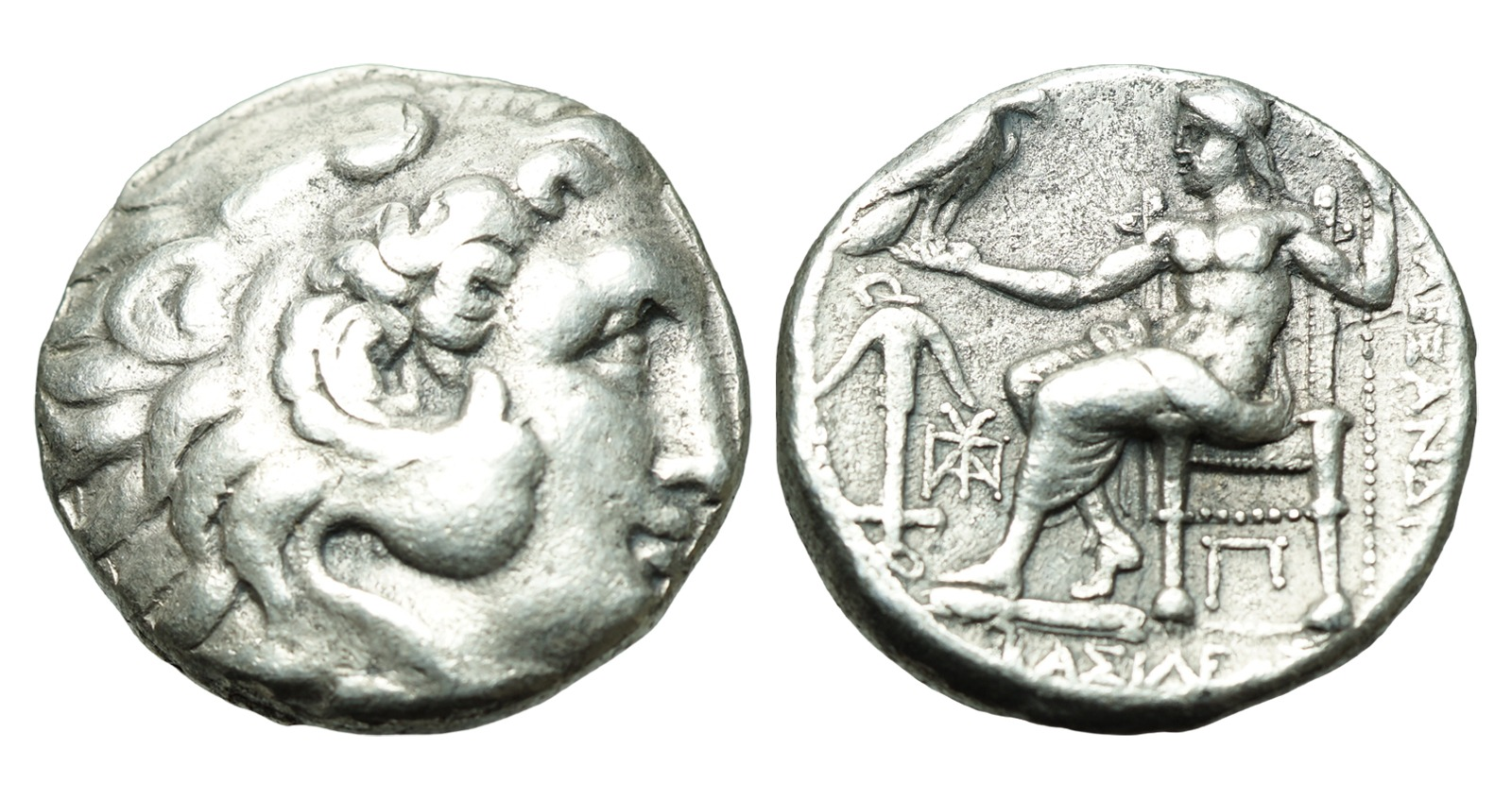
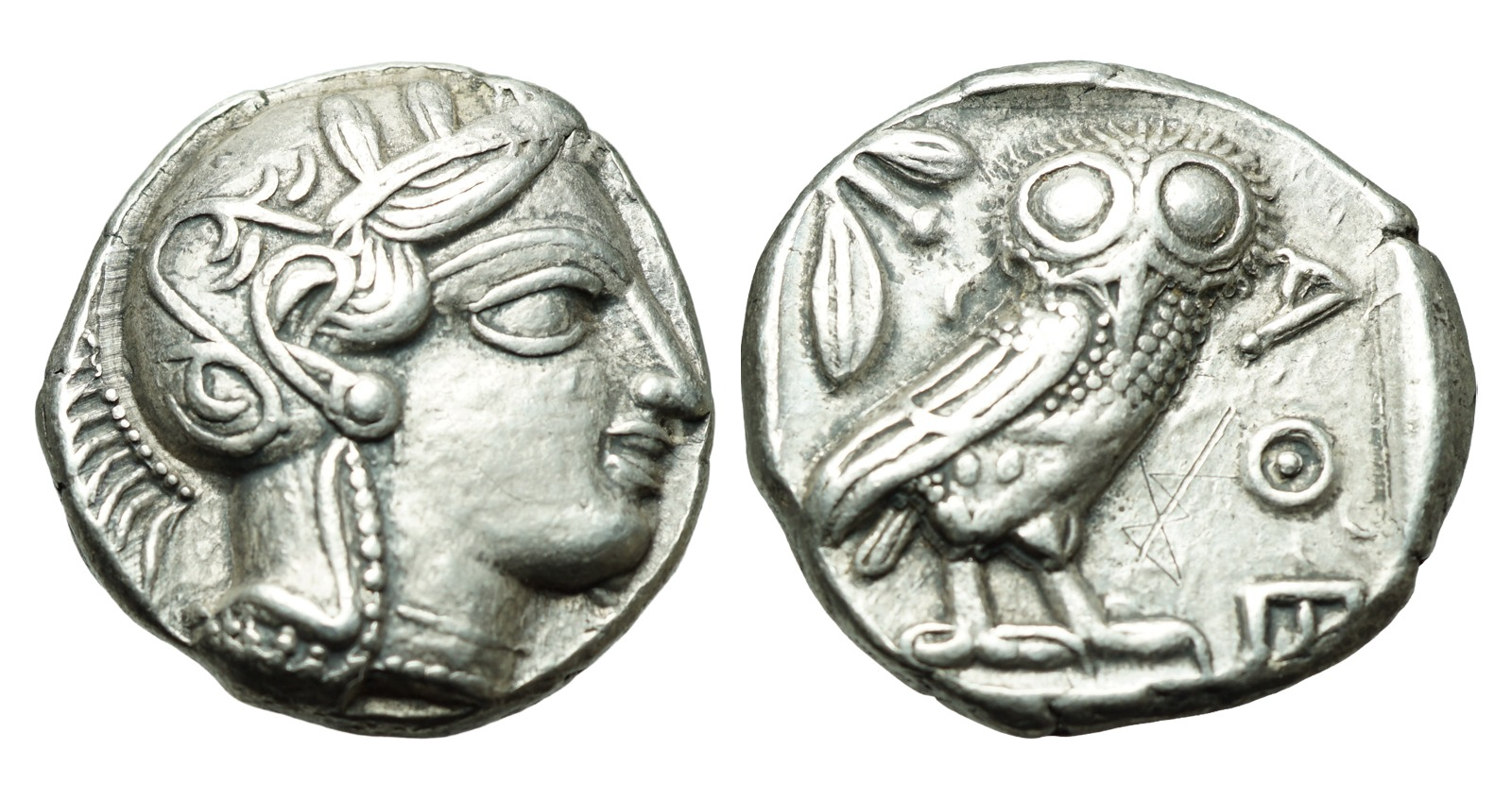
From classical owl tetradrachms to Alexander-type issues, Greek silver coinage is known for strong civic iconography and weight standards tied to the Attic system.
Explore Greek, Roman, and Islamic coins selected for historical character, collector appeal, and clear specifications. Each featured piece is presented with period, metal, diameter, and weight to support confident buying.
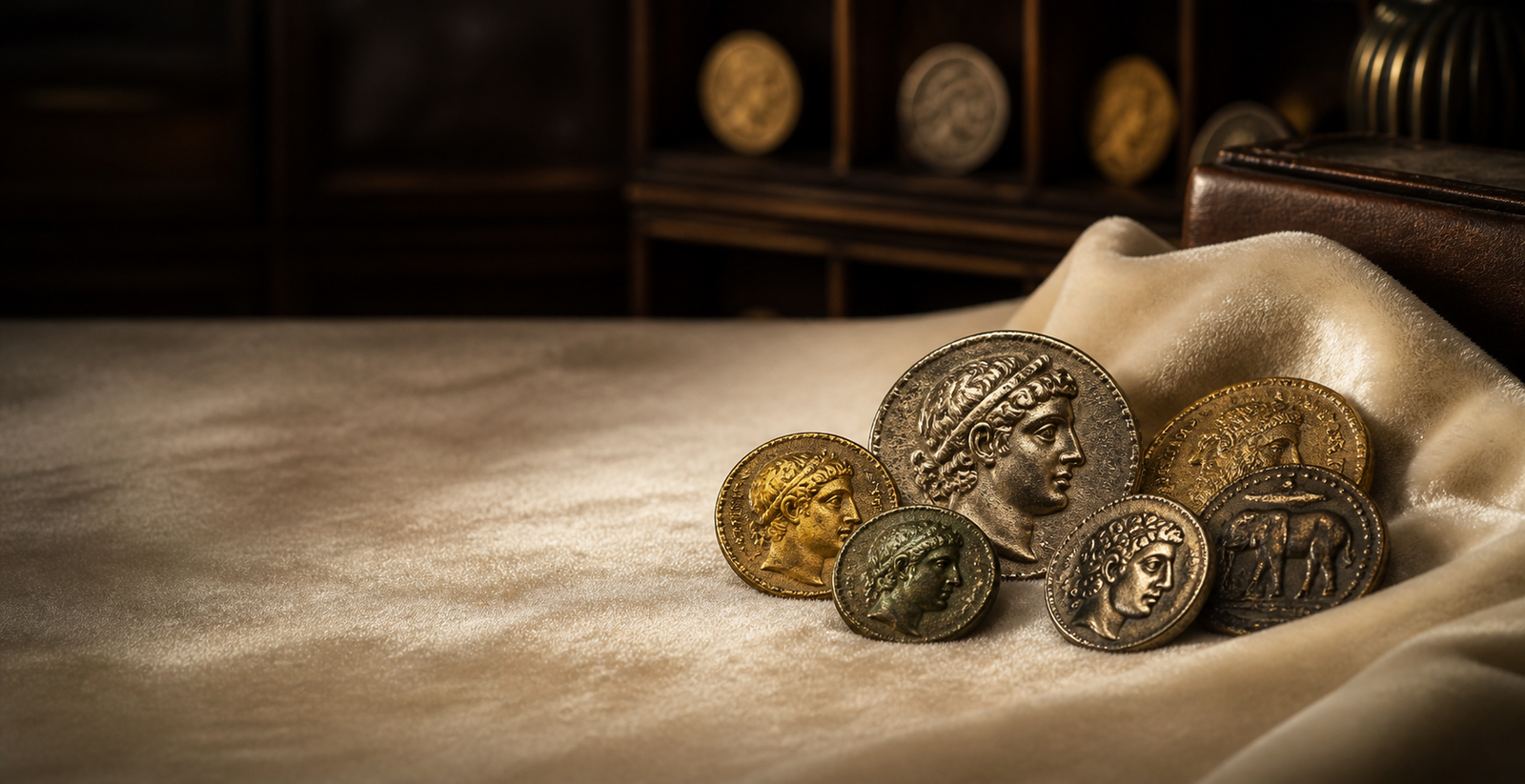
Instead of generic luxury copy, this page introduces the catalog through real numismatic lanes: Hellenistic silver, Roman gold, and Anatolian-Islamic issues.
From classical owl tetradrachms to Alexander-type issues, Greek silver coinage is known for strong civic iconography and weight standards tied to the Attic system.
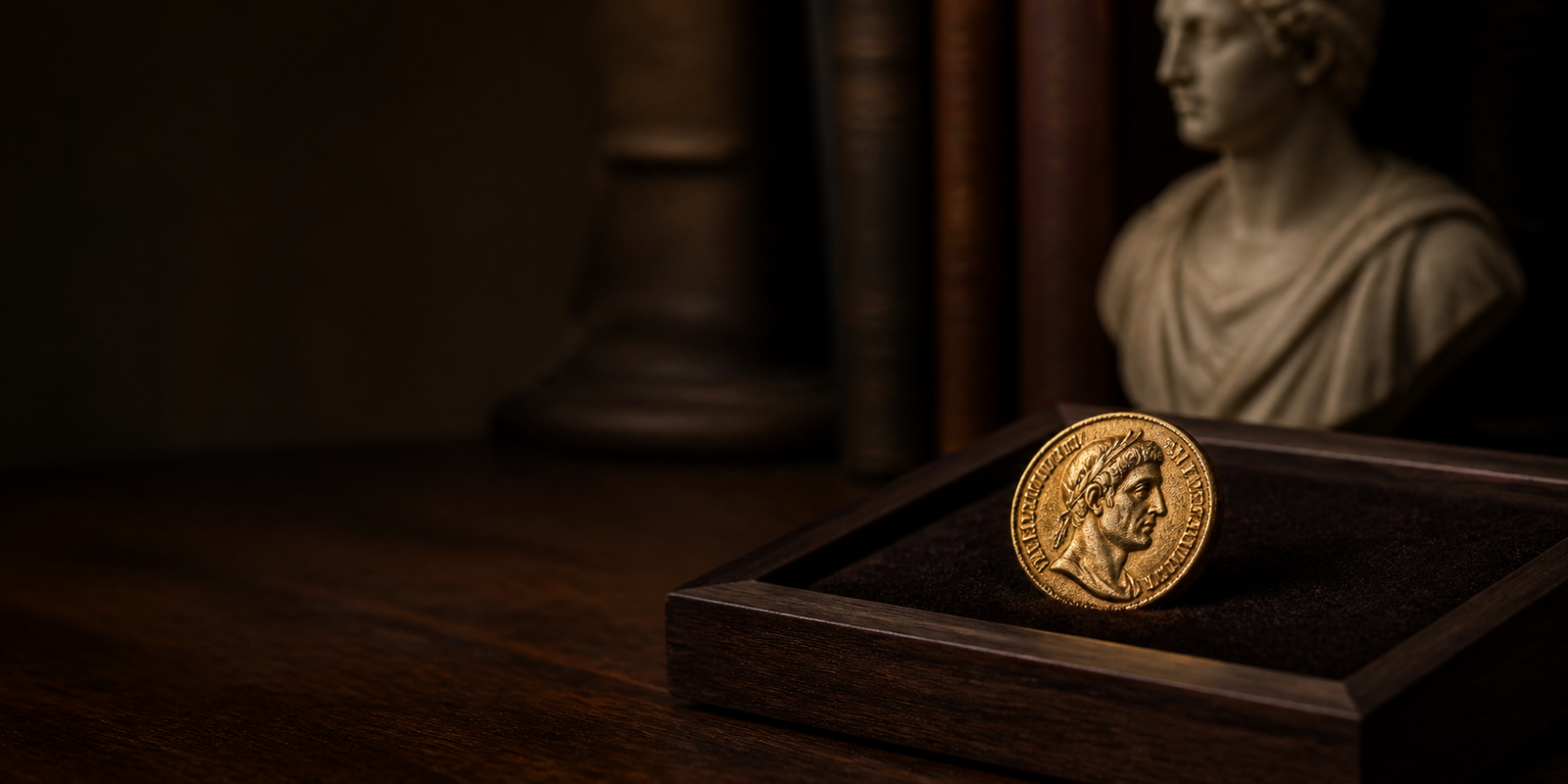
Roman aurei were elite gold issues used for high-value transactions and state payments, often pairing portraits with political, religious, or military reverse types.
Seljuq and related issues from Konya and Hisn Kayfa show how medieval coinage in Anatolia combined inscriptions, animal imagery, and practical weight standards for regional trade.
A strong antique coin listing helps buyers judge the essentials quickly: authority, period, metal, size, weight, condition, and historical importance.
Start with the ruler, city, or issuing state and the dating range. This places the coin in its historical window before any sales talk begins.
Gold, silver, and copper coins served different monetary roles; weight is one of the fastest sanity checks in numismatics.
Diameter, thickness, and overall fabric reveal whether a coin is compact gold, broad silver, or unusually heavy copper.
Portraits, animals, inscriptions, and reverse types often matter as much as metal when collectors judge significance.
Each listing below is pulled from the live inventory database and includes the lot number, price, and description entered from the admin dashboard.
Seleukid Kingdom of Syria, Alexander I Balas (152-145 BC), AR Tetradrachm, Sidon. 27 mm, 14.10 g. Very fine. SC 1830.2; Rouvier 1228; DCA 122.
Greek. Kings of Macedon. Babylon. Philip III Arrhidaeus, 323-317 BC. Tetradrachm AR, 25 mm, 17.18 g.
Greek. SELEUKID EMPIRE. Seleukos I Nikator. Second satrapy and kingship, 312-281 BC. AR Tetradrachm, Babylon II mint, 28 mm, 17.16 g. Very fine.
Greek. Attica. Athens circa 454-404 BC. Tetradrachm AR. 23 mm, 16.93 g. Head of Athena to right, wearing crested Attic helmet ornamented with three olive leaves above visor and spiral palmette on bowl, round earring with central boss, and pearl necklace / Owl standing to right with head facing, olive sprig and crescent behind, ΑΘΕ before; all within incuse square. Very Fine. Kroll 8; Dewing 1591-8; SNG Copenhagen 31; HGC 4, 1597.
Phoenicia, Tyre. 126/5 BC-AD 65/6. AR Shekel. 27 mm, 113.43 g. Dated CY 96 (31/0 BC). Laureate head of Melkart right, lion skin around neck / Eagle standing left on prow; palm frond in background; to left, qoppa-sigma (date) above club; monogram to right, Phoenician B between legs. DCA Tyre 334; HGC 10, 357; DCA 921. Dark patina.
Phoenicia, Tyre. 126/5 BC-AD 65/6. AR Shekel. 26 mm, 12.43 g. Dated CY 96 (31/0 BC). Laureate head of Melkart right, lion skin around neck / Eagle standing left on prow; palm frond in background; to left, qoppa-sigma (date) above club; two monograms to right, Phoenician B between legs. DCA Tyre 334; HGC 10, 357; DCA 921. Dark patina. Very fine.
Philistia (Palestine), Gaza. Mid 5th century-333 BC. AR Drachm. 14.00 mm, 4.08 g, 3 h. Female head right / Forepart of horse right in dotted square within incuse square. Gitler & Tal VI.2D; Fischer-Bossert, Notes 22; HGC 10, 548. Fine patina. GVF, extremely rare.
Greek. Nabataea. Malichus I, 60-30 BC. Drachm. 16 mm, 3.41 g, 12 h, Petra, RY 26 = 35/4 BC. Diademed head of Malichus I to right. Rev. mlkw mlk mlk nbṭw / L KC (Malichus the king, king of the Nabataeans, year 26 in Nabataean and Greek) Eagle with closed wings standing left; to left, palm frond. Barkay 10. HGC 10, 679 var. Meshorer, Nabataea 12 var. Very rare. A darkly toned and well centered example. Light cleaning scratches, otherwise, good very fine. Ex Leu web 13.12.2025.
Roman Imperial. Caracalla AD 198-217. Petra. Denarius AR. 18 mm, 3.12 g.
Roman Provincial. Egypt, Alexandria. Antoninus Pius. AD 138-161. Zodiac series. Dated RY 8 (AD 144/5). Laureate head right / Jupiter in Pisces - bust of Zeus right, wearing taenia and draped on left shoulder, transverse scepter across right shoulder; star of eight rays before; fish right and left below; L H across field. Æ Drachm. 34 mm, 22.95 g. Koln -; Dattari (Savio) 2981; K&G 35.260; RPC IV.4 837; Emmett 1692.8. Near VF.
Roman Provincial. Judaea. Jerusalem. Procurators. Pontius Pilate under Tiberius AD 26-36. Prutah AE, 17 mm, 1.8 g.
Roman Provincial. Judaea. Jerusalem. Procurators. Pontius Pilate under Tiberius AD 26-36. Prutah Æ. 17 mm, 1.44 g.
Caesarea Paneas, Galilee. Marcus Aurelius (161 - 180 AD). AE (13mm, 3.20 gm). Nearly very fine.
Roman Imperial. Severus Alexander AD 222-235. Rome. Dupondius Æ. 30 mm, 17.24 g. IMP ALEXANDER PIVS AVG, radiate bust right, slight drapery on far shoulder / IOVI PROPVGNATORI S-C, Jupiter leaning left, looking right, hurling thunderbolt. Very fine. RIC IV 629; BMCRE 795; Cohen 81.
Roman Imperial Era. Valens, 364-378. AV Solidus, 364/367, Antioch, 7th workshop. 4.35 g. Draped bust right with pearl diadem // Emperor standing right with Christogram standard and Victoria on globe. RIC 2 d. Attractive specimen, extremely fine. Specimen from Auction Grun 90, Heidelberg 2025, No. 288.
Greek Attica. Athens circa 454-404 BC. Tetradrachm AR 24 mm, 17,18 g Head of Athena to right, wearing crested Attic helmet ornamented with three olive leaves above visor and spiral palmette on bowl, round earring with central boss, and pearl necklace / Owl standing to right with head facing, olive sprig and crescent behind, ΑΘΕ before; all within incuse square. Very Fine Kroll 8; Dewing 1591-8; SNG Copenhagen 31; HGC 4, 1597.
Current live inventory: 16 published coin(s). All listed items can be updated from the private admin dashboard.
Collectors often begin with the coin type, then confirm metal, weight, and historical context before moving to condition, provenance, and final pricing.
Read the title first: tetradrachm, aureus, or dirham immediately tells the buyer the coin family and rough monetary rank.
Diameter and weight are shown together so each listing feels concrete and collectible, not just decorative.
A trustworthy offer should point to reference examples, prior provenance, or published records whenever they are available.
Whether you are building a focused collection or searching for a meaningful gift, share the type, period, and budget range you have in mind and we will respond with suitable options.